


Hotel review response work is not just a courtesy task. For operators, it is part of reputation management, guest recovery, team coaching, and owner reporting.
The reply matters, but the workflow around the reply matters more.
When review response lives in a separate portal-by-portal routine, hotel teams lose the business context behind the guest comment. Halo GSS helps bring review sources, sentiment, response status, comp-set visibility, and rate context into one operating view.
Hotel Review Response Needs A Workflow, Not A Clipboard
Most hotel teams already know they should respond to reviews. The hard part is doing it consistently across properties, sources, and managers without turning every response into a manual chase.
A guest may leave feedback on Google, TripAdvisor, Booking, Expedia, Yelp, or another channel. A property manager may see the review first. A regional leader may need the trend. A revenue manager may care because the complaint mentions value. Ownership may care because reputation is affecting the business story.
That is too much context for a disconnected response checklist.
Expedia Group says 55% of U.S. and UK travelers who recently visited Expedia said positive reviews are important when choosing accommodations. The response is not only for the guest who wrote the review. It is also for the next guest deciding whether the property is worth the booking.
Good hotel review response starts with a clear queue: which reviews are new, which need a response, which are already answered, which point to an operating issue, and which belong in a broader trend conversation.
Response Coverage Is A Management Signal
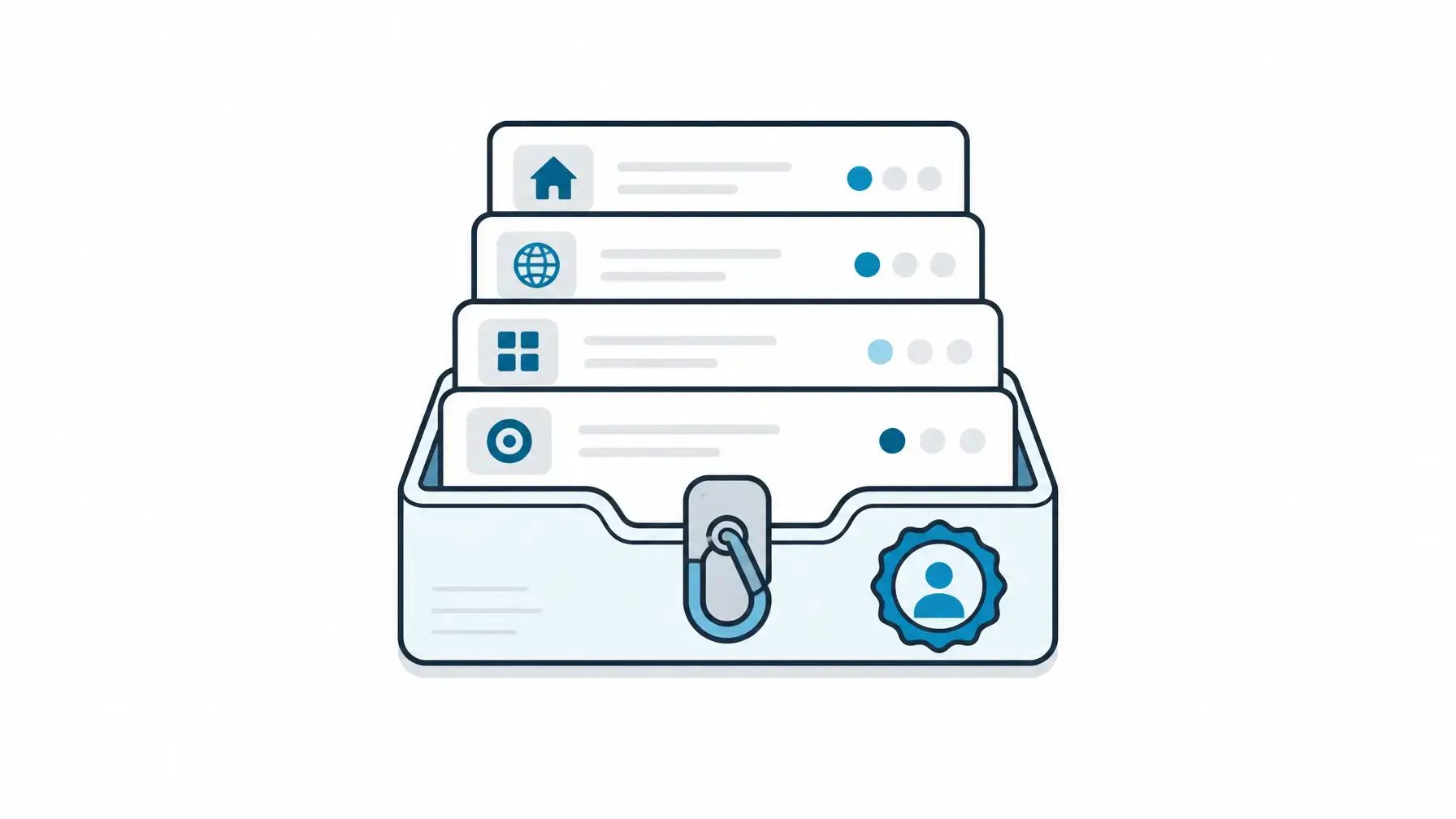
Response coverage tells leaders whether the property is actually managing the guest conversation.
If one property answers most negative reviews quickly while another property leaves the same type of feedback unanswered, the problem is not only marketing tone. It may be staffing, ownership, escalation, or unclear standards.
Research published in *Marketing Science* found that when hotels begin responding to reviews, they see a 12% increase in review volume and an average 0.12-star increase in ratings. The result does not mean every hotel can copy the exact lift. It does show that management response is visible enough to influence the review environment.
The practical operator question is simple: can leaders see response coverage without opening each review portal by hand?
Halo GSS gives hotel teams a centralized place to monitor guest reviews and response status. That helps managers move from “we should reply more” to “which properties, sources, and categories need attention this week?”
The Reply Should Reflect The Issue, Not A Template
Generic responses are easy to spot.
A guest who mentions cleanliness should not receive the same reply as a guest who mentions parking, breakfast, staff service, value, or a check-in delay. The response should acknowledge the actual issue, use the property voice, and avoid making promises the team cannot support.
That is where sentiment structure matters. A review score alone does not tell the manager what to do next. Category-level sentiment helps separate the operating driver behind the review.
Expedia public content guidelines show that travelers can submit sub-scores for parts of a stay such as cleanliness, staff, breakfast, and location. Those categories are closer to the way hotel teams actually manage the property.
Halo GSS uses 11-category sentiment analysis to help hotel teams see the issue behind the score. AI-drafted responses can reduce blank-page work, but the manager still needs judgment. The best use of AI is not to make the response feel automated. It is to help the team move faster while keeping the response specific, accurate, and locally controlled.
Connect Review Response To Property Follow-Up
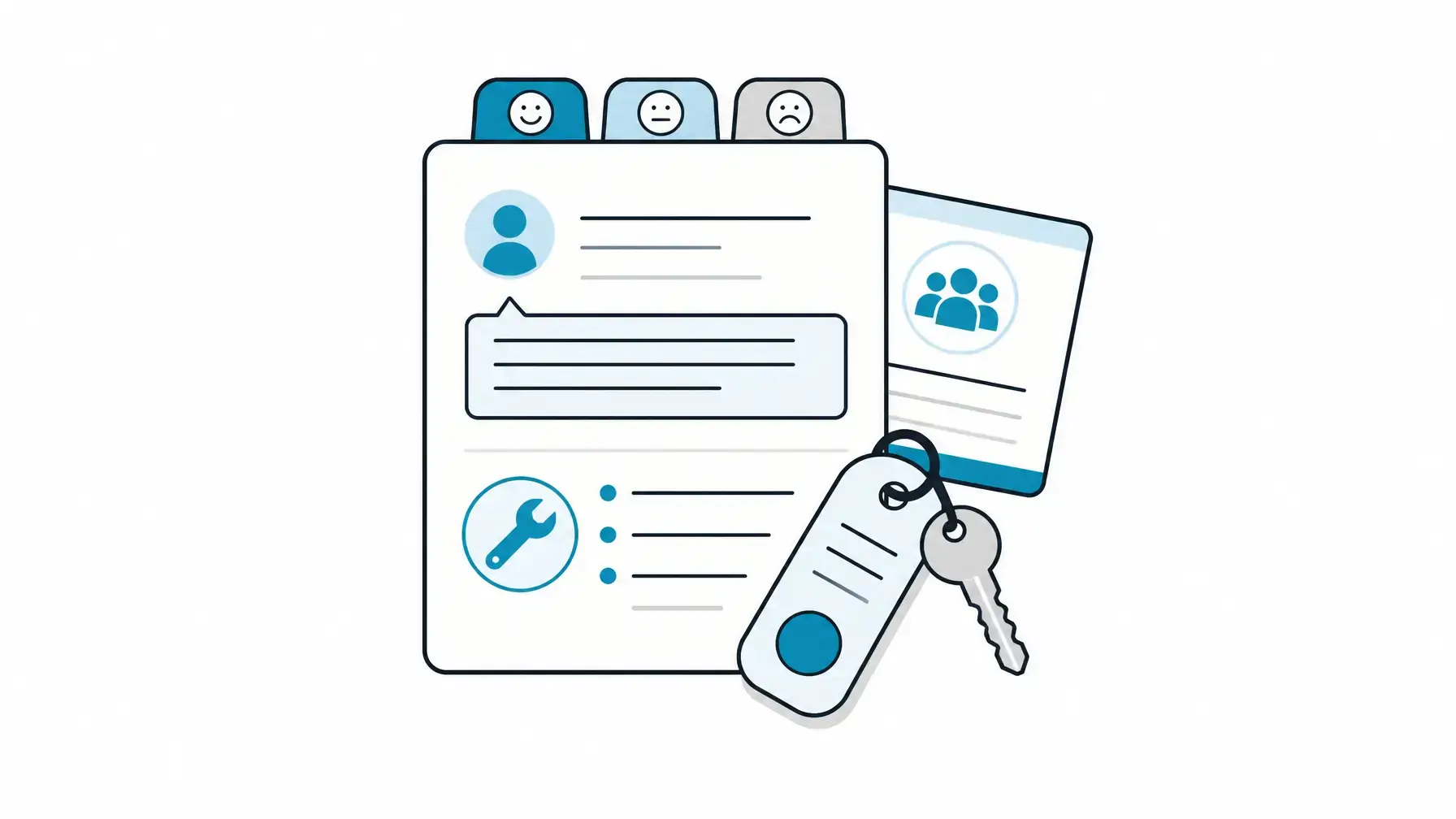
A hotel review response should not close the loop if the operating issue remains open.
If three guests mention slow check-in, the reply is only the first step. The property still needs to know whether staffing, training, arrival timing, system workflow, or communication is causing the issue.
If multiple reviews mention value, the revenue team may need to see whether price, competitive positioning, expectation-setting, or service delivery is creating the perception gap.
If reviews mention cleanliness, the GM needs the pattern before the next owner meeting, not after the month closes.
That is why review response belongs beside sentiment trends, comp-set context, alerts, and rate intelligence. Halo GSS helps operators treat guest feedback as management information instead of a pile of public comments.
Tripadvisor 2025 Transparency Report reported nearly 80 million traveler contributions in 2024, including 31.1 million reviews. The guest feedback environment is too large to manage casually.
Regional Leaders Need Portfolio Context
For a single property, review response can feel like a daily reputation task.
For a regional or portfolio leader, it becomes a comparison problem.
Which properties are falling behind on response coverage? Which sources generate the most unresolved feedback? Which issue categories are recurring across several hotels? Which comp set is gaining reputation ground while one property is defending rate?
Those questions cannot be answered from one portal screenshot.
The Halo GSS pricing page describes multi-property comparison, review aggregation, AI-drafted responses, sentiment analysis, comp-set monitoring, and rate intelligence. That combination matters because response quality is not isolated from the rest of the guest story.
An owner does not need every response pasted into a report. Ownership needs to know whether the team is seeing the right feedback, responding with discipline, and connecting reputation movement to operating decisions.
Owners Need The Business Story Behind The Response

Review response can look tactical until the guest story starts affecting pricing power, demand, or asset confidence.
Cornell hospitality research summarized by eCornell found that a one-point increase in a hotel average user rating on a five-point scale made potential customers 13.5% more likely to book that hotel. A separate Cornell summary reported that a one-point increase in a hotel online reputation score could be associated with gains in ADR, occupancy, and RevPAR.
Operators should be careful with those numbers. They are research findings, not a guarantee for every property.
But the direction is clear: reputation is not just a marketing surface. It connects to commercial performance.
The Halo GSS about page explains that Halo was built to connect guest perception, competitor pricing, and HIA performance context so hotel teams can see which reputation signals are changing the business story. That is the right frame for hotel review response. The response is one visible action inside a larger operating system.
HIA customer Jeff Desai put the value of connected intelligence plainly: “This is exactly the intelligence tool we were looking for at Baywood. It is so helpful to see the different KPIs at a glance and have the flexibility to segregate the data and drill down for deep analysis.”
What Strong Hotel Review Response Workflow Looks Like
A strong review response workflow has a few recognizable standards:
- New reviews from major sources land in one manageable queue.
- Response status is visible by property, source, and review category.
- AI can draft a starting point, but managers approve the final response.
- Replies acknowledge the actual guest issue instead of using generic language.
- Sentiment analysis shows the driver behind the score.
- Alerts identify urgent feedback before it becomes a recurring pattern.
- Regional leaders can compare response coverage across properties.
- Revenue and ownership teams can see reputation movement beside comp-set and rate context.
- The response workflow creates follow-up work when the property needs to act.
That is how hotel review response becomes useful management work.
Key Takeaways
- Hotel review response is a reputation, operations, and owner-reporting workflow.
- Response coverage helps leaders see whether properties are managing the guest conversation.
- Generic replies weaken trust; specific responses should reflect the issue behind the review.
- AI is useful when it speeds drafting without removing manager judgment.
- Halo GSS connects review aggregation, response status, sentiment, comp sets, and rate intelligence in one guest-signal workflow.
FAQ
What is hotel review response?
Hotel review response is the process of replying to guest reviews on public platforms such as Google, TripAdvisor, Booking, Expedia, and Yelp. A strong process also tracks response status, sentiment, issue category, and property follow-up.
Why is hotel review response important?
Hotel review response matters because future guests read reviews before booking. A thoughtful response shows that the property is listening, taking feedback seriously, and managing issues instead of ignoring them.
How quickly should hotels respond to reviews?
Hotels should respond as quickly as their staffing and review volume allow, especially for negative or urgent reviews. The more important standard is consistency: new reviews should not sit unanswered because they landed in a different portal.
Should hotels respond to positive reviews?
Yes. Positive reviews deserve acknowledgement, especially when a guest mentions a staff member, service moment, or specific part of the stay. Positive responses can also reinforce the property’s hospitality voice for future guests.
Should hotels respond to negative reviews?
Yes. Negative reviews should be answered with care, specificity, and restraint. The response should acknowledge the concern, avoid arguing with the guest, and move sensitive issue resolution into an appropriate private channel when needed.
Can AI write hotel review responses?
AI can draft hotel review responses, summarize review themes, and reduce blank-page work. Managers should still review and approve the final response so it matches the property voice, the actual guest issue, and any operational constraints.
What makes a good hotel review response?
A good response is timely, specific, professional, and connected to action. It should address the issue the guest raised and avoid generic language that could apply to any review.
How does sentiment analysis help review response?
Sentiment analysis helps hotel teams see the operating category behind a review, such as cleanliness, service, value, location, or breakfast. That makes it easier to coach the right team and track whether the issue is recurring.
How should multi-property hotel groups manage review response?
Multi-property groups should centralize review monitoring, track response coverage by property, compare sentiment trends, and give regional leaders visibility into recurring issues. That reduces manual portal checking and makes review response more consistent.
How does Halo GSS support hotel review response?
Halo GSS helps hotel teams aggregate reviews, monitor response status, analyze sentiment, compare properties, watch comp-set movement, use AI-drafted responses, and connect reputation signals with rate and business context.