

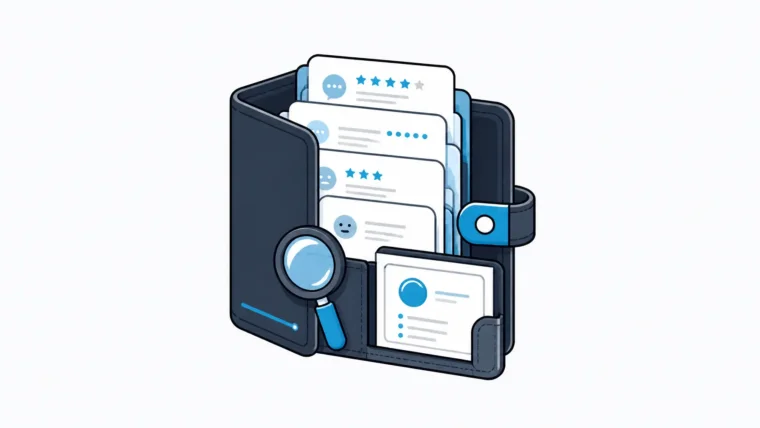
Review management software should make guest feedback easier to act on, not just easier to collect.
For hotels, the problem is operational. Reviews arrive across public channels, managers need to respond, regional leaders need to know who is falling behind, and ownership wants the business story behind the score. Halo GSS brings reviews, sentiment, comp sets, rate context, alerts, and portfolio visibility into one hotel-specific workflow.
Review Management Software Has To Start With One Queue
Hotel reviews do not arrive in one tidy place.
Guests leave feedback on Google, TripAdvisor, Booking, Expedia, Yelp, and other public channels. If a property team checks each source separately, the process depends too much on memory, timing, and whoever happened to log in that day.
That creates a practical risk. A serious guest issue can sit unanswered. A repeated service pattern can look like a few isolated comments. A regional leader may not know which property needs help until the owner asks why the score moved.
Tripadvisor 2025 Transparency Report says travelers shared 79.7 million contributions in 2024, including 31.1 million reviews. The scale of public feedback is why review management software needs to be a work queue, not a side task.
Halo GSS centralizes reviews from major sources so property and portfolio teams can see what came in, where it came from, whether it needs a response, and what pattern is forming.
Response Ownership Is The Real Workflow
Collecting reviews is only the first move.
The real workflow starts when someone owns the response. A review may need a public reply, a private follow-up, a housekeeping check, a front desk coaching moment, a service recovery note, or a revenue conversation about value.
Expedia Group hotel guest reviews guidance reports that 55% of U.S. and UK travelers who recently visited Expedia said positive reviews are important when choosing accommodations. That makes response coverage part of the hotel’s public trust layer.
Good review management software should show response status by property, source, urgency, and date. It should help a general manager know what still needs attention today. It should help a regional leader see whether response discipline is consistent across the portfolio.
Halo GSS supports that workflow with a centralized inbox, response-status visibility, alerts, and AI-drafted responses managers can review before sending. The AI draft reduces blank-page work, but the hotel team still owns facts, tone, escalation, and service recovery.
For deeper response guidance, Halo GSS also covers hotel review response and hotel review management.
Sentiment Turns Feedback Into Better Decisions

A rating tells a team that perception changed. It does not explain what to fix.
Two hotels can have the same score for different reasons. One may have strong service comments but repeated value complaints. Another may have clean rooms but slow arrival friction. Without category-level context, managers are left guessing.
Expedia content guidelines show how category-level guest feedback works in practice, including sub-scores for parts of the stay such as cleanliness, staff, breakfast, and location. Those categories are closer to the work a hotel team can actually manage.
Halo GSS organizes feedback into 11 sentiment categories so teams can see what is driving the guest story. A manager can separate a one-off complaint from a recurring operating issue. A portfolio leader can compare patterns across properties without rereading every review.
That is where review management software becomes more useful than a monitoring tool. It connects what guests said to the next operating decision.
Portfolio Review Management Needs Market Context

Reviews do not exist apart from the market.
Guests judge the stay against the price they paid and the alternatives they considered. A value complaint means one thing when the hotel is priced below nearby competitors and another when it is priced above a stronger property. A service issue also reads differently when the comp set is earning better guest sentiment at a similar rate.
The 2026 J.D. Power North America Hotel Guest Satisfaction Study found overall hotel guest satisfaction improved 13 points on a 1,000-point scale, led by an 18-point gain in value for price paid. That is a reminder that review management and revenue context should stay close together.
Halo GSS pairs reputation signals with competitor tracking, saved comp sets, and rate intelligence. That gives operations, revenue, and ownership teams a shared view of the property story. The question becomes more specific: does the hotel need a service fix, a pricing adjustment, a comp-set review, or a better explanation of value?
Teams comparing related workflows can also read Halo GSS guidance on online reputation management, hotel online reviews, and online reputation management software.
Owners Need The Business Story Behind The Reviews
Owners usually do not need a comment archive.
They need to know what the reviews mean for the asset. Are response times improving? Is cleanliness sentiment slipping at one property or across the portfolio? Is a value complaint tied to rate position? Is the team handling an isolated service miss or a repeated operating issue?
The Halo GSS about page explains that Halo GSS was built to connect guest perception, competitor pricing, and HIA performance context so hotel teams can see which reputation signals are changing the business story.
HIA customer Jeff Desai described the value of connected intelligence this way: “This is exactly the intelligence tool we were looking for at Baywood. It is so helpful to see the different KPIs at a glance and have the flexibility to segregate the data and drill down for deep analysis.”
Review management software should meet that same standard. It should help leaders decide what to answer, what to fix, what to compare, and what to explain.
What To Look For In Review Management Software
Strong review management software for hotels has a few practical traits:
- Multi-source review aggregation across major guest-facing channels.
- One response queue for property teams.
- Response ownership and status visibility by property and source.
- AI-supported response drafts that managers can review and edit.
- Sentiment categories that explain what is driving review movement.
- Alerts for issues that need attention.
- Comp-set and rate context beside reputation signals.
- Portfolio dashboards and leaderboards for multi-property teams.
- Owner-ready reporting that explains the business story.
Harvard Business Review coverage of hotel review-response research found hotels that started responding to reviews received 12% more reviews and increased ratings by 0.12 stars. The result will vary by property and market, but the operating lesson is useful: response discipline can change how a hotel is perceived.
Halo GSS pricing keeps the scope clear. Review aggregation, a centralized inbox, AI-powered review responses, advanced analytics, competitor tracking, portfolio dashboards, and multi-property comparison are part of the Professional tier. HIA ERP-connected financial context belongs to the Portfolio path.
Key Takeaways
- Review management software should turn scattered feedback into a managed hotel workflow.
- A centralized inbox matters most when response ownership and status are clear.
- Sentiment categories help managers find the operating reason behind score movement.
- Review data becomes more useful when paired with comp-set and rate context.
- Halo GSS connects review aggregation, AI-supported responses, sentiment, alerts, competitor context, rate intelligence, and portfolio reporting.
FAQ
What is review management software for hotels?
Review management software for hotels helps teams collect, monitor, respond to, and analyze guest reviews from multiple public channels. For hotel operators, the best tools also connect feedback to sentiment, response status, market context, and portfolio reporting.
Why do hotels need review management software?
Hotels need it because guest feedback is public, scattered, and operationally important. A shared workflow helps managers see what needs a response, identify recurring issues, and explain reputation movement without rebuilding reports by hand.
What review sources should hotel software cover?
Review management software should cover major public sources such as Google, TripAdvisor, Booking, Expedia, Yelp, and other channels important to the property’s market. Multi-source coverage helps teams avoid partial portal checks.
How does AI help with review responses?
AI can help draft responses faster so managers are not starting from a blank page. The hotel team should still review every response for accuracy, tone, guest context, escalation needs, and service recovery.
How does sentiment analysis help hotel teams?
Sentiment analysis groups review language into categories managers can act on. Instead of only seeing that a rating moved, teams can see whether guests are talking about cleanliness, service, value, amenities, location, or another stay factor.
Should review management software include comp sets?
For hotels, comp-set context is valuable because guests compare properties before they book. Pairing review sentiment with competitor and rate context helps teams understand whether the issue is experience, price position, market selection, or a combination.
How does review management software connect to revenue?
Reviews influence how guests interpret price and value. When sentiment, comp sets, and rate intelligence sit beside reviews, revenue and operations teams can discuss whether a pricing move is supported by guest perception.
Is Halo GSS only for responding to reviews?
No. Halo GSS includes review aggregation and AI-supported response workflows, but it also supports sentiment analysis, alerts, competitor tracking, rate intelligence, portfolio dashboards, and multi-property comparison.
How does Halo GSS work with HIA?
Halo GSS was built by HIA and can connect guest perception, competitor pricing, and HIA performance context when the Portfolio path is configured. That gives finance, ownership, and operations leaders a clearer business explanation behind reputation movement.
What should owners see in review management reporting?
Owners should see the business story behind the feedback, not every individual comment. Useful reporting shows response coverage, category-level sentiment, comp-set movement, rate position, and the action plan behind reputation changes.